A tale of two scenarios – best and worst ways to keep SEQ liveable

On eve of the ShapingSEQ 2023 Update, this article reprises a presentation I made 17 years ago, following the first Subtropical Cities Conference in Brisbane. The 2006 presentation proposed two scenarios to describe what SEQ would be like in 2050 depending on whether or not we took climate-based landscape and lifestyle as our cue in the policy environment. Hot and paved, or transformed and green.

What makes a sustainable Sunshine Coast building?

This scoping study for Sunshine Coast Council emphasizes climate-responsive design, highlighting the importance of 'living landscapes.' The upcoming guide will showcase building designs that integrate nature and adapt to seasonal climate changes for improved livability and sustainability.

How to keep Brisbane liveable and friendly

On the eve of a city wide forum to create a Charter of Principles that will guide strategic decisions and make sure Brisbane thrives as a friendly and liveable place for future generations, I propose two scenarios to focus our minds.

Hot in the suburbs – Want more walkable streets? More trees please.

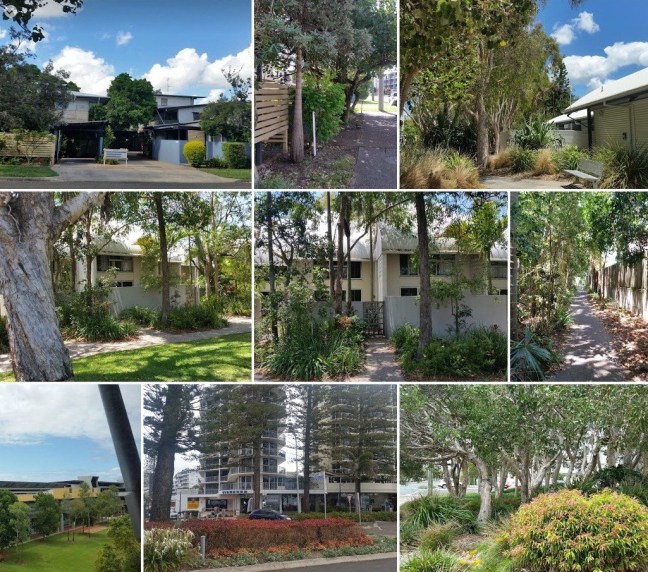
Australia's summer heat poses challenges for walkability in Brisbane, where aspirations for a pedestrian-friendly city clash with ongoing suburban design shortcomings. While some public spaces reflect subtropical planning, many infill developments lack shade and greenery. Effective urban design must prioritize pedestrian comfort to enhance community interactions and ensure sustainable living spaces.

Shady street trees: a great investment in urban quality

Shenzhen showcases tree-lined streets that enhance urban life, supporting climate design principles. Research confirms street trees boost property value and ecological benefits, outweighing maintenance costs.