The perfect beach – Gold Coast vs the Weather

Since the arrival of TC Alfred, the Gold Coast's beaches have drastically altered due to persistent storms and climate change. Despite ongoing efforts in coastal management and engineering, such as sand replenishment, challenges remain as sand erosion worsens. The delicate balance of maintaining the ideal beach image faces scrutiny, urging a reconsideration of expectations alongside increasing threats from future severe storms and rising sea levels.

Uprooted trees and the art of rescue

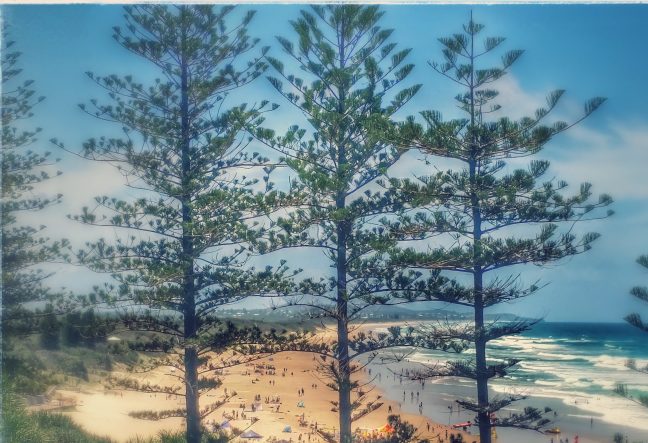
The image shows a group of Norfolk Pine trees overlooking a beach

Trees are fast-disappearing from Gold Coast streets and parks, leaving gaps in arbours of natives and avenues of Norfolks. In the wake of Tropical Cyclone Alfred clean-up crews have been efficiently cutting down, chopping up and macerating trees that blew down in the storms. It’s obvious that most of these can’t be saved.  A felled … Continue reading Uprooted trees and the art of rescue

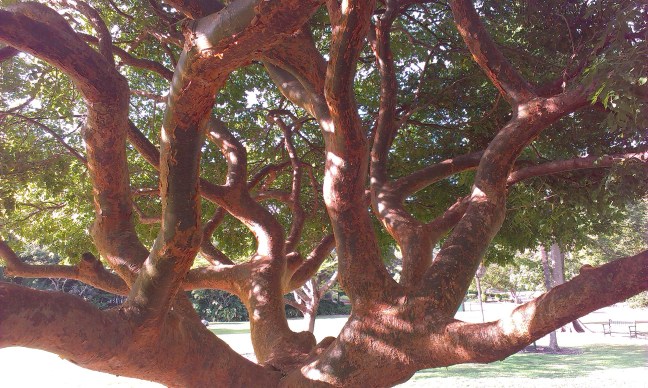
Climate resilience, power lines and trees

While trees can affect power lines, they are not the only factor contributing to power outages. Trees provide numerous environmental benefits in resilient subtropical cities. Fragile power infrastructure needs urgent re-thinking to avoid overheated unlivable cities amid climate change.

A tale of two scenarios – best and worst ways to keep SEQ liveable

On eve of the ShapingSEQ 2023 Update, this article reprises a presentation I made 17 years ago, following the first Subtropical Cities Conference in Brisbane. The 2006 presentation proposed two scenarios to describe what SEQ would be like in 2050 depending on whether or not we took climate-based landscape and lifestyle as our cue in the policy environment. Hot and paved, or transformed and green.

The Future of Glass Skyscrapers

Architects should rethink glass skyscrapers amid the Climate Emergency and promote solutions with external shading and less glass in designs for high-rise buildings worldwide.

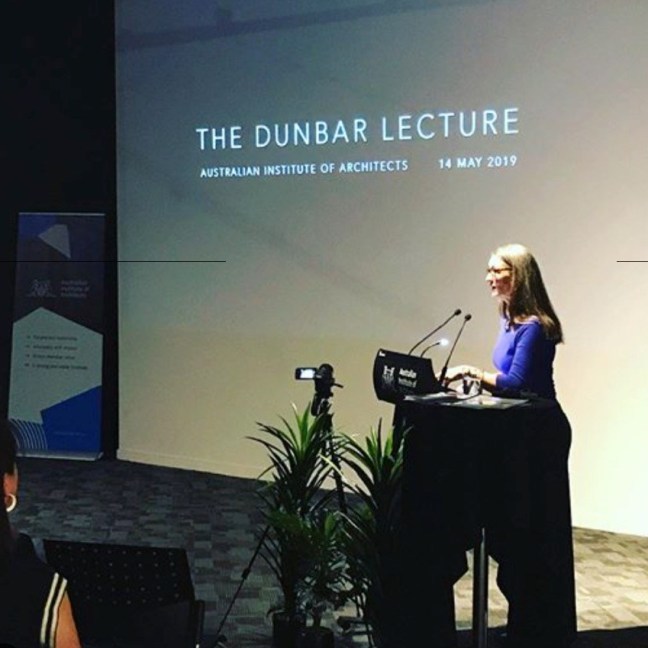
Next Generation Apartment Buildings: The Dunbar Fellowship Report

The Next Generation Apartment Buildings report explores how architects in Southeast Asia adapt classical tropical architecture principles to address contemporary urban challenges. The study aims to inspire innovative design solutions for resilient urban living in Australia. It presents my research conducted in 2018 through the Australian Institute of Architects Dunbar Fellowship.

Call this an ‘upgrade’? $600,000,000 later, BYO shade at South Bank Station

It's now over two years and $600,000,000 later, and maybe some of the promised $6 million for the South Bank station upgrade is still in the kitty, but it's not looking good for the 60,000 passengers who must struggle through this place out of necessity rather than choice.

AIA Dunbar Fellow seeks next-generation apartment buildings

Rosemary, the first recipient of the AIA Dunbar Fellowship, researches how Australia's apartment buildings can benefit from East-West design knowledge. She explores climate-focused architecture in South East Asia, analyzing strategies for liveability, affordability, and public amenity in high-density environments.

How to keep Brisbane liveable and friendly

On the eve of a city wide forum to create a Charter of Principles that will guide strategic decisions and make sure Brisbane thrives as a friendly and liveable place for future generations, I propose two scenarios to focus our minds.

Hot in the suburbs – Want more walkable streets? More trees please.

Australia's summer heat poses challenges for walkability in Brisbane, where aspirations for a pedestrian-friendly city clash with ongoing suburban design shortcomings. While some public spaces reflect subtropical planning, many infill developments lack shade and greenery. Effective urban design must prioritize pedestrian comfort to enhance community interactions and ensure sustainable living spaces.

Shady street trees: a great investment in urban quality

Shenzhen showcases tree-lined streets that enhance urban life, supporting climate design principles. Research confirms street trees boost property value and ecological benefits, outweighing maintenance costs.