The perfect beach – Gold Coast vs the Weather

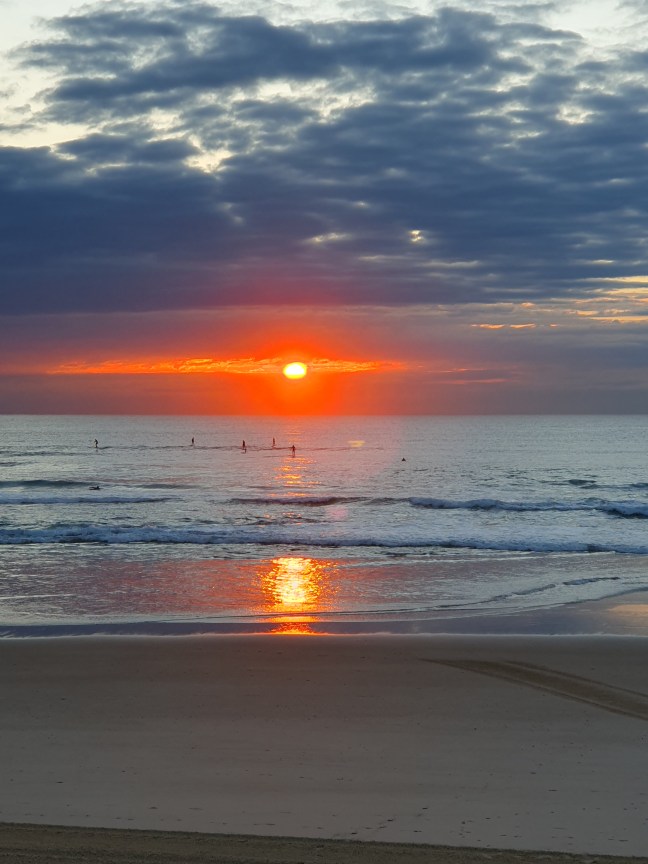
Since the arrival of TC Alfred, the Gold Coast's beaches have drastically altered due to persistent storms and climate change. Despite ongoing efforts in coastal management and engineering, such as sand replenishment, challenges remain as sand erosion worsens. The delicate balance of maintaining the ideal beach image faces scrutiny, urging a reconsideration of expectations alongside increasing threats from future severe storms and rising sea levels.

Uprooted trees and the art of rescue

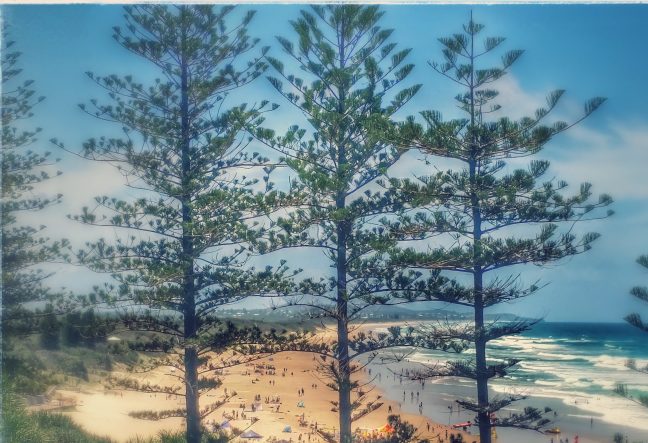
The image shows a group of Norfolk Pine trees overlooking a beach

Trees are fast-disappearing from Gold Coast streets and parks, leaving gaps in arbours of natives and avenues of Norfolks. In the wake of Tropical Cyclone Alfred clean-up crews have been efficiently cutting down, chopping up and macerating trees that blew down in the storms. It’s obvious that most of these can’t be saved.  A felled … Continue reading Uprooted trees and the art of rescue

Climate resilience, power lines and trees

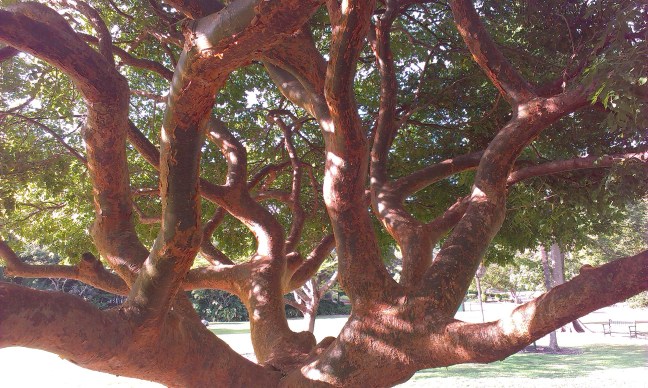
While trees can affect power lines, they are not the only factor contributing to power outages. Trees provide numerous environmental benefits in resilient subtropical cities. Fragile power infrastructure needs urgent re-thinking to avoid overheated unlivable cities amid climate change.

A tale of two scenarios – best and worst ways to keep SEQ liveable

On eve of the ShapingSEQ 2023 Update, this article reprises a presentation I made 17 years ago, following the first Subtropical Cities Conference in Brisbane. The 2006 presentation proposed two scenarios to describe what SEQ would be like in 2050 depending on whether or not we took climate-based landscape and lifestyle as our cue in the policy environment. Hot and paved, or transformed and green.

Life Fellowship for Beginners

Dr. Rosemary Kennedy was honored as a Life Fellow of the Australian Institute of Architects during a recent ceremony in Brisbane. Reflecting on her unconventional career, she emphasized the importance of integrating climatic design principles into urban planning and promoting societal well-being through architecture. She passionately advocates for creating environments that prioritize trees and sustainability.

How to avoid a fate worse than death: rethink how residential aged care is designed

We need to stop avoiding the problem and start envisaging what will matter to us when we are older to drive a paradigm shift in the way residential aged care is provided in Australia. This design-led workshop re-imagined aged cared design in the post-pandemic era.

Want to design humanitarian shelter? Better know what you’re talking about.

The article discusses the complexities and inconsistencies in the terminology surrounding humanitarian shelter. It highlights a new framework developed by Dr. Liz Brogden and the author, which organizes 347 terms into eight categories to assist built environment professionals in understanding and engaging with humanitarian shelter projects effectively.

A charrette to change the way we design our cities

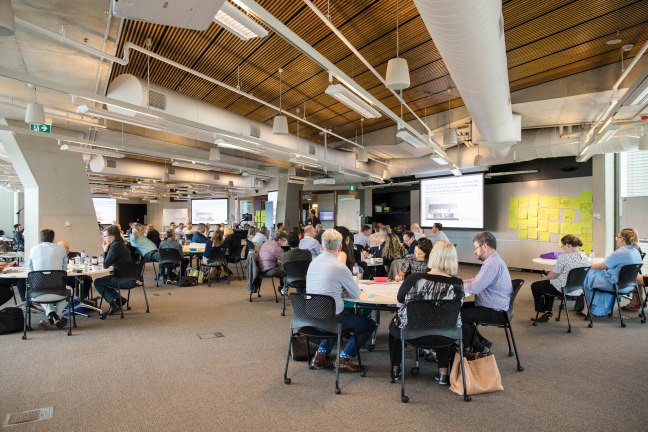
In February 2020, 121 professionals explored longevity in the built environment, focusing on baby boomers' impact through a creative charrette. Outcomes were shared via videos and articles.

What makes a sustainable Sunshine Coast building?

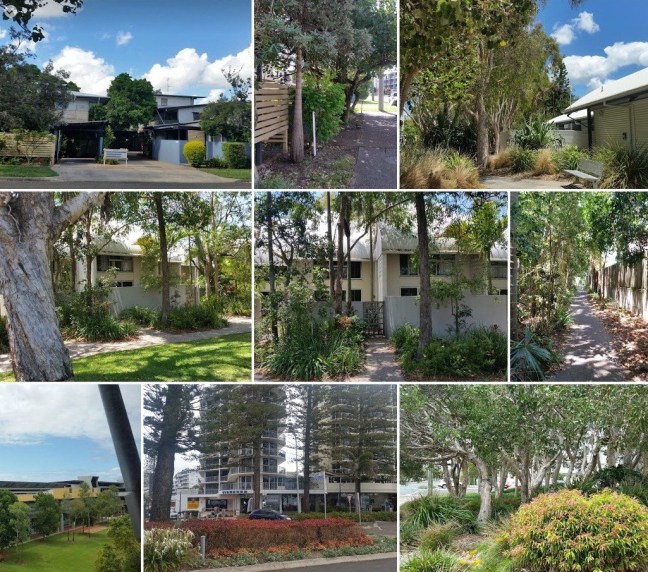
This scoping study for Sunshine Coast Council emphasizes climate-responsive design, highlighting the importance of 'living landscapes.' The upcoming guide will showcase building designs that integrate nature and adapt to seasonal climate changes for improved livability and sustainability.

The Future of Glass Skyscrapers

Architects should rethink glass skyscrapers amid the Climate Emergency and promote solutions with external shading and less glass in designs for high-rise buildings worldwide.

Next Generation Apartment Buildings: The Dunbar Fellowship Report

The Next Generation Apartment Buildings report explores how architects in Southeast Asia adapt classical tropical architecture principles to address contemporary urban challenges. The study aims to inspire innovative design solutions for resilient urban living in Australia. It presents my research conducted in 2018 through the Australian Institute of Architects Dunbar Fellowship.