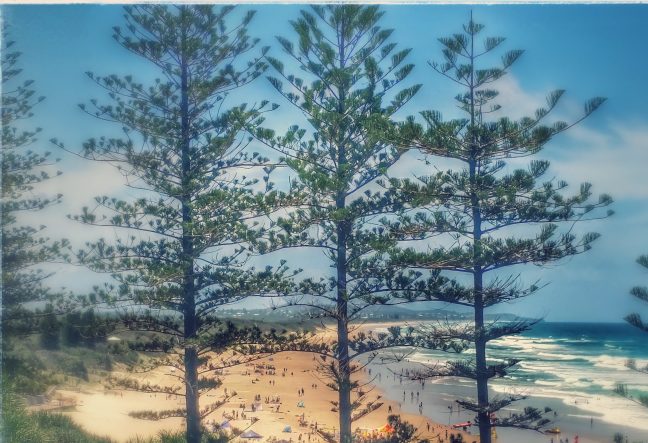
Trees are fast-disappearing from Gold Coast streets and parks, leaving gaps in arbours of natives and avenues of Norfolks. In the wake of Tropical Cyclone Alfred clean-up crews have been efficiently cutting down, chopping up and macerating trees that blew down in the storms. It’s obvious that most of these can’t be saved.
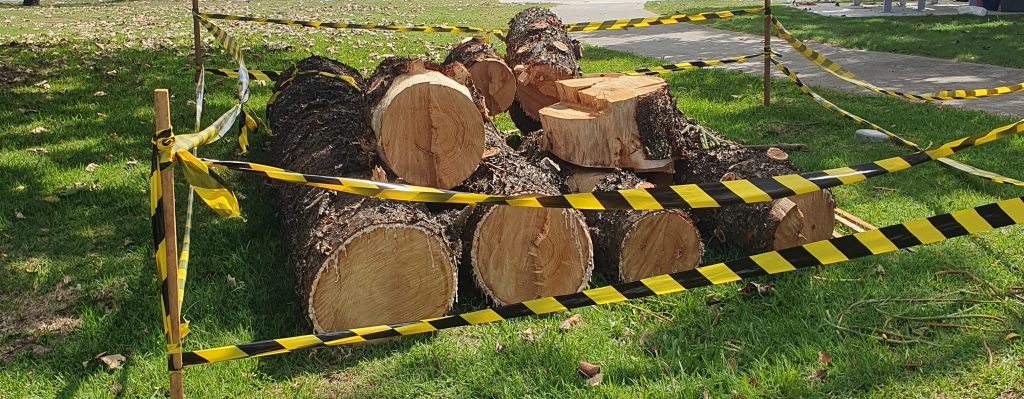
But could some be rescued from the chainsaw?
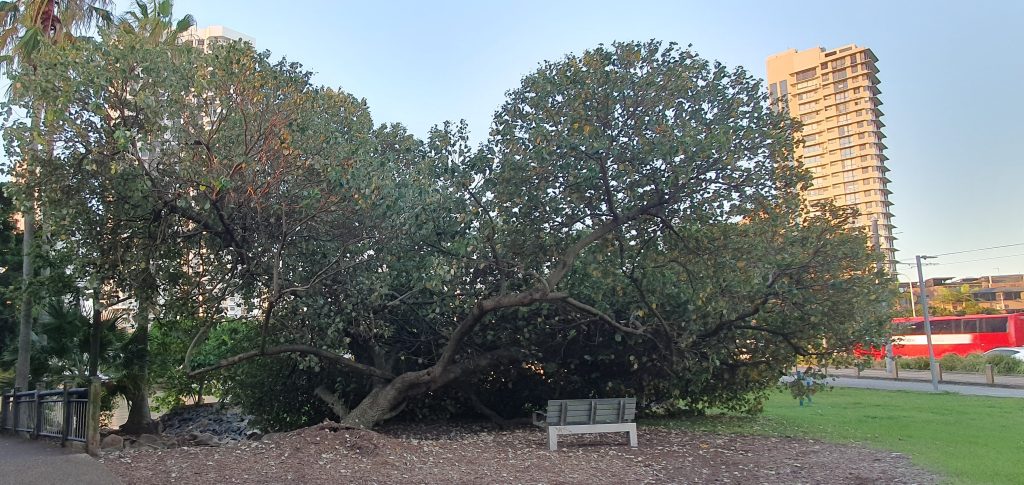
Up and down the Coast some mature trees that were partially uprooted remained connected with the soil. I’m no arborist, but could they remain viable if instead of wholesale removal, they were braced or propped? These methods of caring for trees are common practice in Asian and European cities. Even large and old trees are supported in this way and they add beauty and character to streetscapes. Why not here?
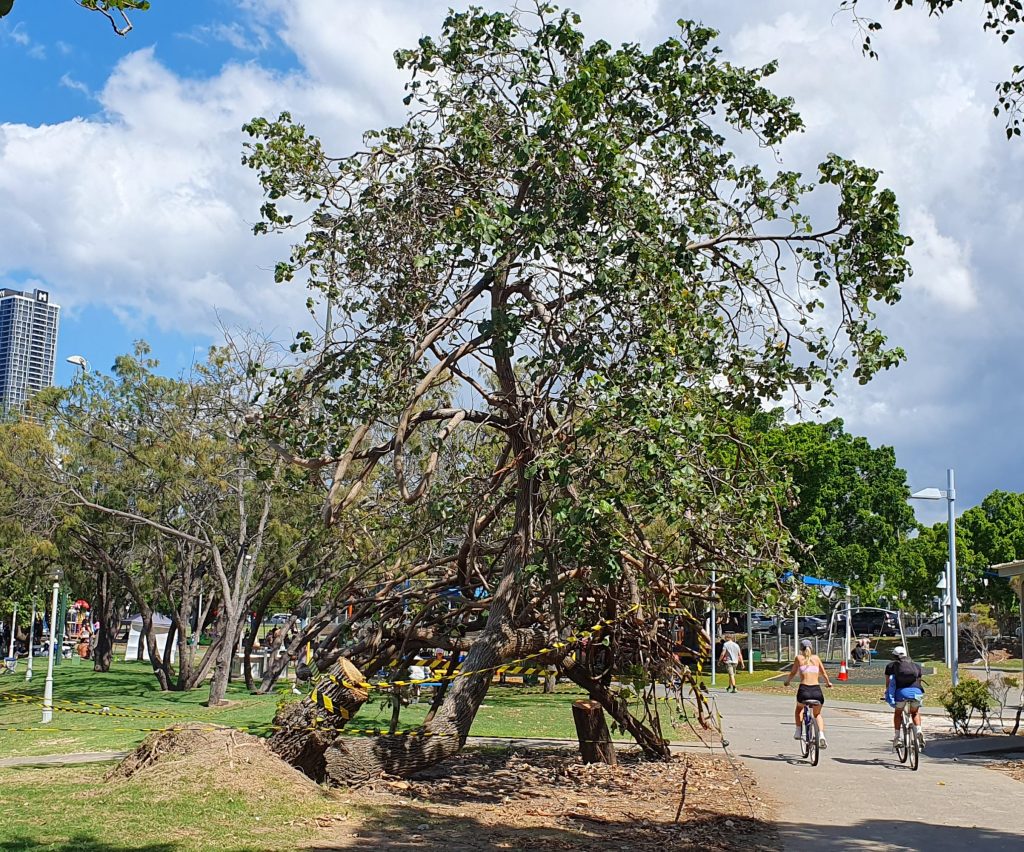
Mature canopy trees often take decades to reach their full potential, so it is critical to preserve existing trees wherever possible. Trees are amongst our most valuable assets for keeping our neighbourhoods cool naturally. Each small thing we do towards greening our city adds up to more liveability, climate resilience, biodiversity and quality of life for residents. No matter how small, the changes we make can make a big difference. The chainsaw is not always the answer when trees are blown over.
 subtropicalcities.com